
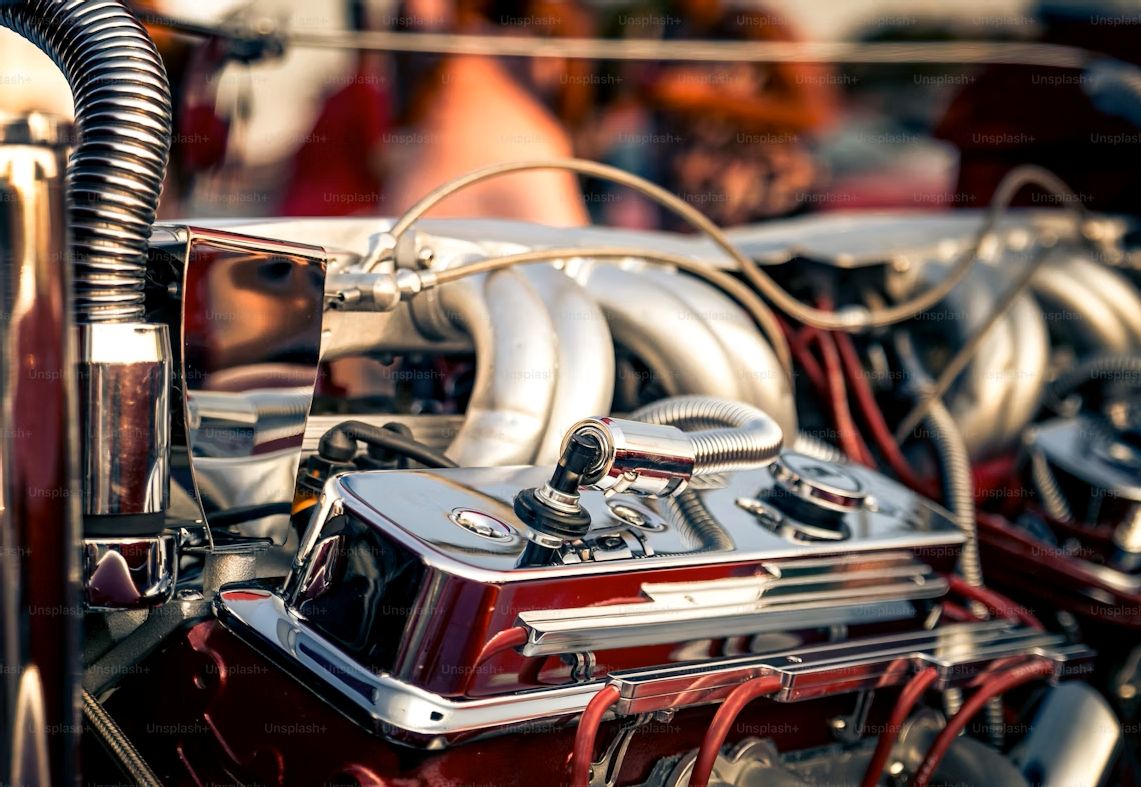

Carburetor and Fuel System Repair
Welcome to Autograph BVS — a professional car service center in Finestrat, Alicante. We offer a complete range of carburetor and fuel system repair services using state-of-the-art equipment and highly qualified specialists.
The vehicle carburetor and fuel system — are critical components that ensure proper preparation of the fuel-air mixture and its delivery to the engine. The condition of these systems determines the performance, economy and reliability of your vehicle. Our team in Finestrat is ready to perform diagnostics, repairs and maintenance of your car’s carburetor and fuel system quickly and efficiently.
What is a Carburetor and Fuel System?
Carburetor — is a mechanical device that mixes fuel with air in specific proportions to create a combustible mixture that enters the engine cylinders. Although modern vehicles use fuel injection systems, many classic and older cars are still equipped with carburetors.
Fuel system — is a set of components that store, filter, regulate pressure and deliver fuel to the engine. The system works in close interaction with carburetor or injector.
Main fuel system components:
- Fuel tank — stores fuel
- Fuel pump — delivers fuel from tank
- Fuel filter — cleans fuel from contamination
- Carburetor or injector — prepares fuel-air mixture
- Fuel lines — transport fuel
- Pressure regulator — maintains required fuel pressure
- Fuel level sensors — monitor fuel supply
- Activated charcoal (canister) — absorbs fuel vapors
Main carburetor functions:
- Mix fuel with air
- Regulate fuel consumption based on load
- Maintain optimal fuel-air mixture
- Ensure smooth engine starting
- Stabilize idle operation
- Adapt to driving conditions
Main fuel system functions:
- Store and deliver fuel
- Filter fuel from contamination
- Regulate fuel pressure
- Prevent air entry into system
- Manage fuel vapor emissions
- Monitor fuel tank level
Why carburetor and fuel system repair?
- Restore normal fuel combustion
- Improve engine performance
- Reduce fuel consumption
- Avoid engine malfunction
- Prevent environmental pollution
- Ensure driving safety
- Pass technical inspection (ITV)
- Prepare vehicle for long trips
Types of Carburetor and Fuel System Problems
1. Carburetor Fouling
One of the most common problems:
Characteristics:
- Unstable idle operation
- Hesitation and stalling during acceleration
- Poor cold starting
- Black smoke from exhaust
- Unburned fuel smell
Causes:
- Use of poor quality fuel
- Carbon deposits in carburetor
- Resin and lacquer buildup
- Water in fuel
- Fuel oxidation
Consequences:
- Improper fuel combustion
- Loss of engine power
- Increased fuel consumption
- Engine starting problems
2. Fuel Leaks
System tightness problem:
Characteristics:
- Fuel smell in cabin and under vehicle
- Visible fuel drops
- Low fuel level in tank
- Fuel stains on ground after parking
- Fuel pump buzzing
Causes:
- Cracks in fuel lines
- Loose connections
- Worn seals
- Fuel tank corrosion
- Failed fuel pump
Consequences:
- Fire hazard
- Fuel loss
- Environmental pollution
- Impossible long trips
3. Fuel Pressure Problems
Fuel delivery problem:
Characteristics:
- Engine won’t start or starts with difficulty
- Hesitation and stalling during acceleration
- Loss of engine power
- Unstable idle operation
- Slow acceleration
Causes:
- Failed fuel pump
- Clogged fuel filter
- Improperly adjusted pressure regulator
- Ruptured regulator diaphragm
- Pump electrical circuit problems
Consequences:
- Engine won’t start
- Unstable engine operation
- Loss of power
- Possible engine failure
4. Clogged Fuel Filter
Fuel filtration problem:
Characteristics:
- Difficult engine starting
- Hesitation during acceleration
- Loss of power
- Engine stalls while driving
- Unstable operation at high RPM
Causes:
- Poor quality fuel use
- Tank contamination
- Microbiological deposits
- Natural filter wear
- Very long filter service life
Consequences:
- Improper fuel supply
- Overloading fuel pump
- Pump damage
- Engine stalling while driving
5. Idle Problems
Idle operation stability problem:
Characteristics:
- Unstable idle RPM
- Engine shaking and vibration
- Engine may stall
- High idle RPM
- Fluctuating RPM
Causes:
- Dirty carburetor
- Improper mixture adjustment
- Ignition system problems
- Air leaks
- Failed sensors
Consequences:
- Uncomfortable driving
- Increased fuel consumption
- Higher exhaust emissions
- Loss of engine power
6. Starting Problems
Engine initialization problem:
Characteristics:
- Engine won’t start at all
- Very long starting time
- Multiple attempts required
- Cold starting especially problematic
- Starter works but engine won’t start
Causes:
- Improper carburetor adjustment
- Clogged carburetor jets
- Fuel pump problems
- Failed ignition system
- Water in fuel system
Consequences:
- Engine won’t start
- Battery discharge
- Starter damage
- Impossible vehicle operation
7. Black Smoke from Exhaust
Fuel combustion problem:
Characteristics:
- Visible black smoke from exhaust
- Strong unburned fuel smell
- Increased fuel consumption
- Loss of power
- Rich mixture feeling
Causes:
- Too rich fuel-air mixture
- Improper carburetor adjustment
- Clogged air filter
- Ignition system problems
- Failed sensors
Consequences:
- Environmental pollution
- Increased fuel consumption
- Failed emission test
- Loss of engine power
8. Carburetor Fuel Leak
Carburetor tightness problem:
Characteristics:
- Fuel drops from carburetor
- Fuel smell in cabin
- Fuel leaks onto manifold
- Visible fuel contamination
- Fire hazard possible
Causes:
- Failed float
- Worn float chamber gasket
- Carburetor body damage
- Improper fuel level adjustment
- Clogged check valve
Consequences:
- Fire hazard
- Fuel loss
- Engine contamination
- Impossible vehicle use
9. Acceleration Problems
Engine response problem:
Characteristics:
- Engine reluctant to accelerate
- Hesitation and stalling when accelerating
- Delay in response to pedal
- Loss of power under load
- Unstable acceleration
Causes:
- Dirty carburetor
- Improper fuel delivery adjustment
- Accelerator pump problems
- Clogged jets
- Ignition system problems
Consequences:
- Inability to accelerate properly
- Road hazard
- Loss of engine power
- Increased fuel consumption
10. Engine Misfires
Combustion stability problem:
Characteristics:
- Rough and jerky engine operation
- Loss of power
- Engine vibration
- Exhaust backfire
- Unstable operation at all RPM
Causes:
- Improper fuel-air mixture
- Ignition system problems
- Dirty carburetor
- Failed sensors
- Fuel line problems
Consequences:
- Uncomfortable driving
- Loss of power
- Increased fuel consumption
- Safety hazard
The Carburetor and Fuel System Repair Process at Autograph BVS
Step 1: Visual Diagnostics
Our specialists inspect carburetor, fuel lines, filter and other system components. Check for leaks, dirt and visible damage.
Step 2: Check Fuel Pressure
Using manometer, fuel system pressure is checked. This helps determine if fuel pump works properly.
Step 3: Check Fuel Filter Condition
Visual assessment of filter condition. If clogged, replacement is required.
Step 4: Computer Diagnostics (if necessary)
For modern vehicles, computer diagnostics are performed to identify fuel system and sensor errors.
Step 5: Check Fuel Pump Operation
Pump performance and any unusual sounds are checked.
Step 6: Mixture Analysis
Using exhaust gas analyzer, fuel-air mixture quality from carburetor is checked.
Step 7: Carburetor Removal and Disassembly (if necessary)
Carburetor is removed from engine and disassembled for thorough inspection.
Step 8: Carburetor Cleaning
All carburetor parts are cleaned with special solutions to remove deposits and dirt. Jets and channels are opened if necessary.
Step 9: Carburetor Adjustment
After cleaning, carburetor is carefully adjusted according to vehicle specifications.
Step 10: Component Replacement (if necessary)
Worn or damaged fuel system components are replaced with new ones.
Step 11: Assembly and Installation
Repaired carburetor is assembled and reinstalled on engine.
Step 12: Testing and On-Vehicle Adjustment
Vehicle is started and tested to verify carburetor and fuel system proper operation in all modes.
Step 13: Emission Check
Using exhaust gas analyzer, emissions are verified to meet standards.
Step 14: Customer Consultation
We explain work performed in detail and provide maintenance recommendations.
Advantages of Repair at Autograph BVS
✓ Accurate diagnostics — identify problems in 45-90 minutes
✓ Professionalism — over 20 years of carburetor diagnostics and repair experience
✓ Specialized equipment — using exhaust gas analyzers and pressure testers
✓ Original spare parts — work only with quality components
✓ Fair rates — competitive prices for all services
✓ Work guarantee — provide warranty on completed repairs
✓ Convenient location — located in center of Finestrat, Alicante
✓ Professional team — experienced carburetor specialists
✓ Comprehensive solutions — can perform all work in one place
✓ Time saving — perform work as quickly as possible
✓ Expert consultations — free consultations on system condition
Types of Carburetor and Fuel System Repairs
1. Carburetor Cleaning
Removing dirt from carburetor:
When required:
- Unstable engine operation
- Idle problems
- Poor acceleration
- Increased fuel consumption
- Black smoke from exhaust
Process:
- Remove carburetor from engine
- Disassemble into components
- Soak in special solution
- Mechanical cleaning of channels and jets
- Water rinse
- Assembly
- Adjustment and testing
2. Carburetor Adjustment
Fine-tuning carburetor parameters:
When required:
- After carburetor cleaning
- After engine behavior changes
- For fuel consumption optimization
- During routine maintenance
- Before emissions inspection
Process:
- Engine warm-up to operating temperature
- Idle RPM adjustment
- Fuel-air mixture composition adjustment
- Accelerator pump check
- Exhaust gas analysis
- Final tuning
3. Fuel Filter Replacement
Installing new filter:
When required:
- Clogged fuel filter
- After other work completion
- During routine maintenance
- Every 20,000-30,000 km
- Using poor quality fuel
Process:
- Partial fuel system drainage
- Old filter removal
- New filter installation
- Connection tightness check
- Engine startup and verification
4. Fuel Pump Replacement
Replacing failed pump:
When required:
- Weak fuel supply
- Pump buzzing or noise
- Complete pump failure
- Fuel pressure problems
- Engine won’t start
Process:
- Tank fuel drainage
- Tank removal or pump access
- Old pump removal
- New pump installation
- System fuel filling
- Tightness and pressure verification
5. Fuel Line Repair
Leak and damage elimination:
When required:
- Fuel leaks
- Line cracks
- Loose connections
- Damaged connectors
- Visible tightness problems
Process:
- Leak location determination
- Partial fuel drainage
- Damaged line replacement
- New connector installation
- Tightness verification
- Startup and verification
6. Carburetor Gasket Replacement
Restoring carburetor tightness:
When required:
- Fuel leaks from carburetor
- Gasket oxidation or wear
- After carburetor disassembly
- During major repairs
- Increased fuel consumption
Process:
- Carburetor removal
- Carburetor disassembly
- Old gasket removal
- Surface cleaning
- New gasket installation
- Assembly and installation
- Testing
7. Float Repair/Replacement
Restoring float operation:
When required:
- Carburetor fuel leaks
- Improper fuel level
- Float damage
- Float sticking
- Incorrect idle RPM
Process:
- Carburetor removal
- Float chamber disassembly
- Float inspection
- Float adjustment or replacement
- Fuel level adjustment
- Tightness verification
- Assembly and testing
8. Charcoal Canister Replacement
Fuel vapor absorption system replacement:
When required:
- Fuel vapor leaks
- Fuel vapor smell
- Canister failure
- Improper engine operation
- Starting problems
Process:
- Canister hose disconnection
- Fastener removal
- Old canister removal
- New canister installation
- All hose connection
- Tightness verification
9. Injector Cleaning
Fuel injector cleaning (for injection systems):
When required:
- Fuel consumption problems
- Uneven fuel spray
- Unstable engine operation
- Loss of power
- After other work
Process:
- Injector operation check
- Injector removal (if necessary)
- Special additive cleaning
- Spray verification
- Installation and testing
10. Fuel System Diagnostics
Comprehensive system check:
When required:
- Engine starting problems
- Unstable engine operation
- Increased fuel consumption
- During complete maintenance
- Suspected malfunction
Process:
- Visual inspection of all components
- Fuel pressure check
- Pump performance check
- Exhaust gas analysis
- Computer diagnostics (if necessary)
- Detailed report with recommendations
Frequently Asked Questions About Carburetor and Fuel System
Q: How often should carburetor be cleaned?
A: Depends on fuel quality and operating conditions. Usually every 40,000-60,000 km or once every 2-3 years.
Q: Why does engine smoke black?
A: Indicates too rich fuel-air mixture. Requires carburetor adjustment or air filter replacement.
Q: How to reduce fuel consumption?
A: Regular maintenance, quality fuel use and proper carburetor adjustment help reduce consumption.
Q: Can carburetor be cleaned by myself?
A: Simple cleaning can be attempted with fuel additives, but professional cleaning is more effective.
Q: What does fuel smell in cabin mean?
A: May indicate fuel leak or canister problems. Requires diagnostics.
Q: How long does fuel filter last?
A: Usually 20,000-30,000 km or 2-3 years depending on fuel quality.
Q: Why does fuel pump buzz?
A: Normal pump operation includes buzzing. Unusual or loud noise may indicate problem.
Q: What signs indicate fuel pump failure?
A: Weak fuel supply, acceleration hesitation, starting problems or unusual noise.
Insurance and Warranties
At Autograph BVS we provide:
✓ Work guarantee — all completed work guaranteed for 12 months
✓ Spare parts warranty — all installed components have manufacturer warranty
✓ Free reinstallation — if component fails within warranty period
✓ Service insurance — all performed services insured under appropriate conditions
Why Choose Autograph BVS?
Our car service center in Finestrat, Alicante offers best combination of quality, price and convenience:
Professional Experience — over 20 years of carburetor and fuel system diagnostics and repair experience
Full Range of Services — from diagnostics to complete repair and component replacement
Modern Technologies — using exhaust gas analyzers and specialized equipment
Quality Components — only quality parts with warranty
Honest Prices — transparent pricing without hidden fees
Professional Team — experienced specialist mechanics
Customer Care — we carefully listen to your problems and offer best solutions
Quick Service — work efficiently to return your vehicle as soon as possible
Free Consultation — provide complete information about your system condition
Contact Information
Autograph BVS — your reliable partner in carburetor and fuel system repairs
Address: Finestrat, Alicante, Spain
Specialists: Experienced carburetor specialists
Service: Complete carburetor and fuel system diagnostics and repair range
Contact us today for professional carburetor and fuel system diagnostics and repair!

Add new comment